
From Gas Station to Green Space: Mini Mart City Park
Share

August 2025: In Seattle’s Georgetown neighborhood, a once-contaminated gas station is becoming something extraordinary. Designated as part of King County’s Brownfield Program and sitting across from an airport and a former steam plant, the site of Mini Mart City Park (MMCP) has long been burdened by pollution. After more than 15 years of planning, remediation, and community visioning, this former gas station has been cleaned up and reborn as a multifunctional cultural center and pocket park that officially opened to the public in 2022.
Mini Mart City Park is more than a park — it is a place where art, education, environmental action, and community collaboration meet. Rooted in the belief that communities need hubs to build power and shape their own future, MMCP now hosts art exhibits, residencies, youth training, and environmental programming that serve the Lower Duwamish Valley — remaining free and accessible to all.
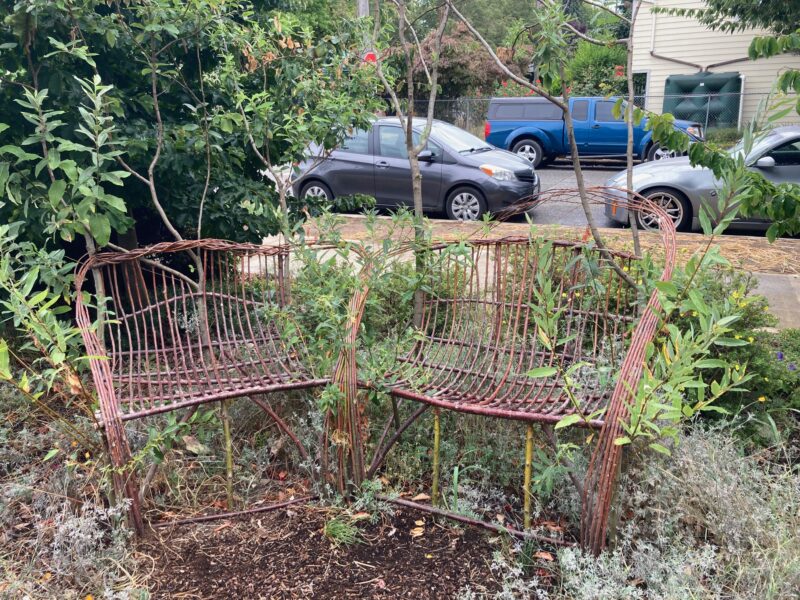
Their vision is bold yet simple: clean, build, educate, and access art. They are healing the land beneath the site with remediation technology, strengthening community ties with a shared gathering space, creating opportunities to learn about art and healthy urban environments, and establishing a permanent cultural center for the Duwamish Valley.
When I visited earlier this fall, the skies had finally opened with one of the first rainfalls after a long, hot summer. While Seattle is known for its rainy skies, hotter, drier summers are now the norm — worsening air quality and intensifying urban heat islands. Against this backdrop, Mini Mart’s work feels even more urgent. Paved, urban environments need more green spaces to reduce the negative effects of air and water pollution and to mitigate the increased temperatures – all of which are threats to both public and environmental health.
With Rose Foundation’s support, MMCP is establishing multiple ways to capture and filter runoff before it enters local waterways – including removing concrete, installing a green roof, planting rain gardens, and setting up cisterns to catch flows from storms. They are also partnering with other groups on water quality testing, and their youth program equips teens with green job skills — blending environmental restoration with youth leadership, hands-on STEAM learning, and vibrant community expression.
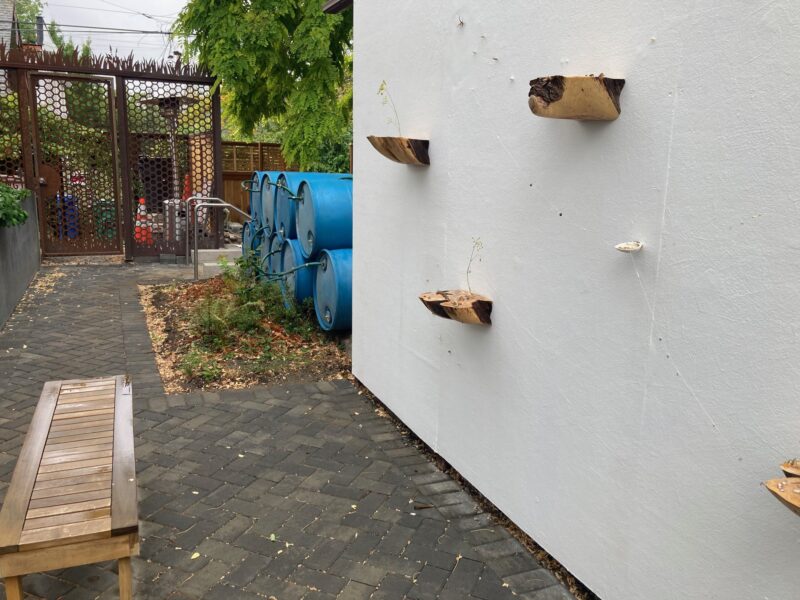
What struck me most during the visit was how this space embodies hope and imagination. The oil-stained grounds of a former gas station have given way to a vibrant community hub – a place that heals land, water, and people at once. Mini Mart City Park shows us that even the most polluted sites can be reformed and reimagined into centers of resilience, creativity, and justice.
The Rose Foundation is proud to support this tiny but mighty project — and is grateful to you, our supporters, for making it possible to back visionary leaders like Mini Mart City Park. To support more grassroots projects like this, please donate to rosefdn.org/donate/.
To learn more about Mini Mart City Park, check out:
-
Website: https://www.minimartcitypark.com/
-
Instagram: https://www.instagram.com/minimartcitypark/
Sincerely,

Timothy Bell
Pacific Northwest Program Officer
Rose Foundation for Communities and the Environment