
 Applications Closed
Puget Sound Stewardship and Mitigation Fund
The Puget Sound Stewardship and Mitigation Fund’s goal is to mitigate past pollution runoff by supporting community-based efforts to protect or improve the water quality of Puget Sound.
The Fund was created by the Puget Soundkeeper Alliance (Soundkeeper), and it continues to be funded through enforcement actions brought by Soundkeeper and Waste Action Project, among others. These groups share the goal of bringing polluters into compliance with the Clean Water Act to promote cleaner water bodies and healthier fisheries.
The Rose Foundation for Communities and the Environment welcomes proposals from a variety of environmental groups including small grassroots conservation and environmental justice groups.
Fund Details
Maximum Funding Request:
Up to $40,000
Important Dates for Spring 2026:
- January 6, 2026 - RFP Announcement/Application Opens
- February 26, 2026 - Applications Due
- May 2026 - Grant Awards Announced
Important Dates for Fall 2026:
- July 16, 2026 - RFP Announcement/Application Opens
- September 17, 2026 - Applications Due
- December 2026 - Grant Awards Announced
The Puget Sound Fund will be open to a second round of applications in Fall 2026. Dates to be announced.
Let’s Connect:
Have questions or want to book a consultation? Connect with Timothy Bell, tbell@rosefdn.org.
Eligibility and Priorities
- The applicant must be a 501(c)3 organization, fiscally sponsored by a 501(c)3, or a governmental or tribal entity. Nonprofit colleges, universities, university clinics and graduate programs are eligible to apply, but university overhead is limited to 5% of grant award.
- The applicant must demonstrate the capacity to complete the proposed project, including experience in successfully conducting similar or otherwise related work in the past.
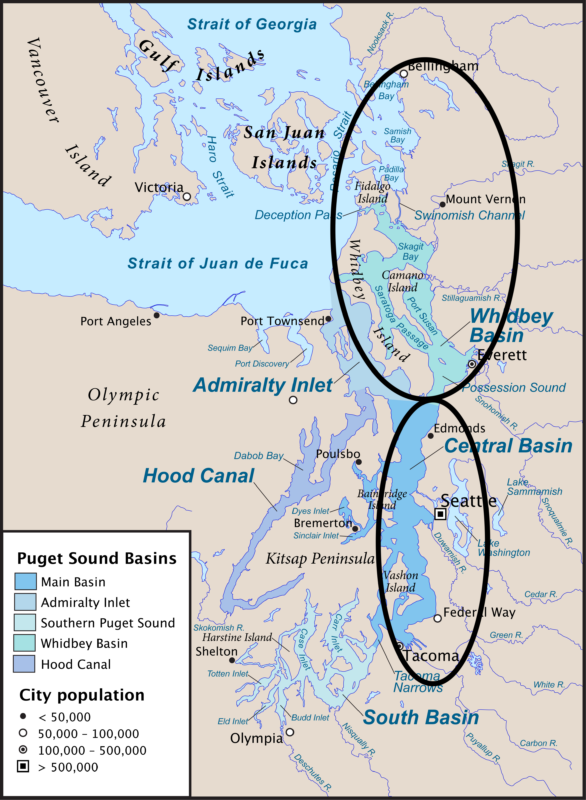
Water quality projects within the black circles on the map may be eligible to apply for the Puget Sound Stewardship & Mitigation Fund. This map is not meant to provide exact guidance on geographic eligibility so please reach out to a program officer if you are uncertain. This map is valid only for the Spring 2026 funding round.
Geographic Eligibility:
- Green-Duwamish River Watershed
- Central Sound between Seattle & Everett
- Skagit River watershed and associated reaches of Puget Sound
- North Sound & including parts of the Salish Sea and San Juan Islands
- The Rose Foundation has a strong preference towards supporting locally-based, community-led projects. If your organization is statewide or national in scope, or has a large multi-million-dollar budget, we encourage you to partner with a locally-based group in your proposal.
- Applications from environmental justice-oriented organizations are highly encouraged.
- Projects that involve impacted communities and are centered around principles of equity will be given preference.
- Projects designed to improve (or prevent degradation of) the water quality of Puget Sound and its watershed.
- Project activities include water stewardship, conservation, outreach and education, restoration, and watershed protection.
- Project proposals with strong community involvement and participation are especially encouraged.
Below is a list of common project types Rose has seen in the past several years. This list is not meant to be exhaustive but to give applicants an idea of projects Rose typically funds.
Water Quality Monitoring & Testing
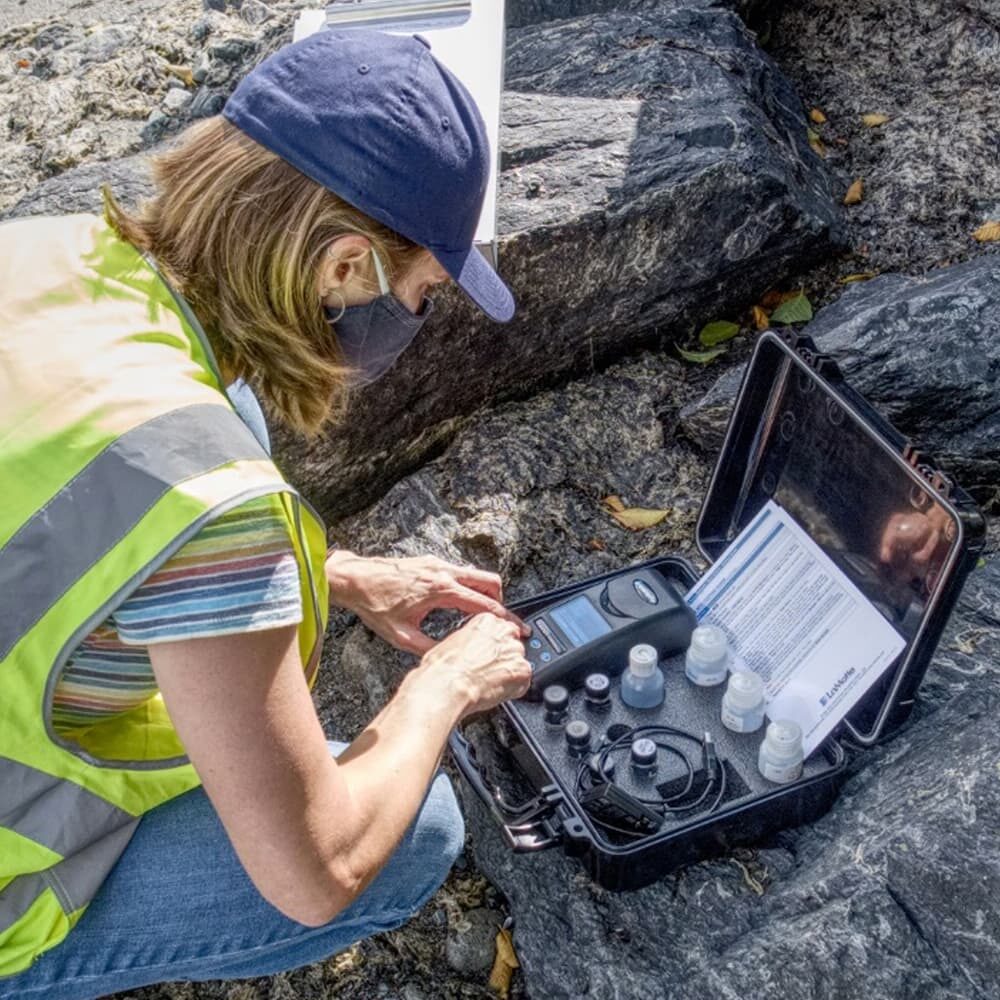
- Community science or monitoring programs where data will be used to update an agency’s dataset, help guide water-related policy decisions, or inform a community or neighborhood plan. There should be a clear purpose for the data collection and a plan its use.
Watershed Restoration
- Project proposals may include some element of river, stream, creek, or other surface water improvement. This can include a wide variety of projects including removal of invasive species, planting native species in riparian areas, culvert removal, etc.
Green Stormwater Infrastructure Projects
- Multi-purpose projects that reduce stormwater pollution and provide community benefits like water for community gardens, workforce development, or improve public/open space.
- Becomes a springboard for community-driven programs that benefit both people and the Sound.
Emerging Toxic & Chemical Threats
- Projects related to toxic and chemical threats where the substance in question poses a clear public health danger but may not yet be well regulated, for example “forever chemicals” such as those found in flame retardants, tires, chemical cleaners, etc.
Community Leadership & Capacity Building
- Develop capacity for community-led stewardship related to improving the water quality of California watersheds. This effort should lead to identifiable actions community members can take to improve water quality through your project proposal.
***A Note About Environmental Education Projects
- While we at Rose believe projects should include components to mobilize and educate community members, projects that are primarily education in nature with limited direct water quality impacts in the near term, are typically not strong candidates for this fund.
- When engaging students, projects must include identifiable, near-term actions to protect water quality.
The following activities or types of projects will not be funded:
- Endowment, land acquisition, capital improvement (unless proposed project directly improves water quality) or other similar projects.
- Grants to individuals.
- Grants to for-profit businesses.
- Grants for general operating support.
- Grants for projects in waters that are not listed in the geographic scope.
- Most grants are for a one-year period; however, you do not have to ask for a one-year grant. It is permitted to request a shorter or longer grant period if that is what you need.
- The maximum grant amount is $40,000 (even if requesting multi-year support).
- Organizations that have been funded may re-apply ONLY in the next cycle after their grant report has been submitted.
- After three consecutive years of funding, groups must wait two years before reapplying.
Steps To Apply
Please read these instructions carefully and follow them step by step.
Review Eligibility Criteria and Application Materials
Please read the eligibility criteria and priorities before starting an application.
Please read the following application instructions carefully and follow them step by step.
FAQ
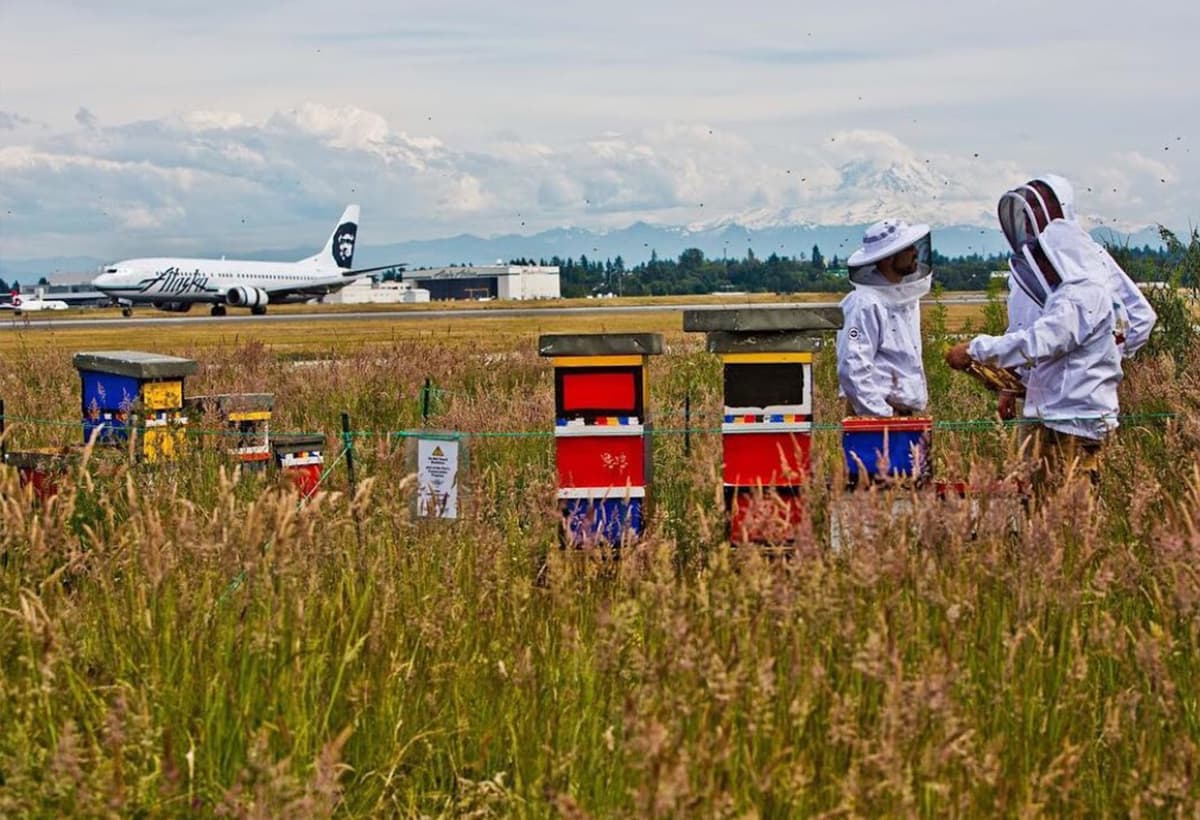
Watch our recent How to Apply workshop intended for first time applicants and small organizations who do not directly engage in water quality efforts, but are invested in environmental justice work impacting communities in Puget Sound.
Yes and No. We support many projects that have an element of environmental education within the overall project work, however, environmental education should not be the primary focus of the project. That is, projects should focus on improvements to water quality or prevention of water contamination through “boots on the ground” restoration, improvements in environmental policy, etc. Environmental education, while important, does not meet our selection criteria in and of itself.
If your group is awarded a grant, you must provide a final grant report within one year of receiving the money, or before your group can receive additional funding.
Any signage or publicly distributed materials related to a funded project must display the following acknowledgement: Support for (Project Name) was provided by the Puget Sound Stewardship and Mitigation Fund, a grantmaking fund created by the Puget Soundkeeper Alliance and administered by the Rose Foundation for Communities and the Environment.
Meet Past Grantees
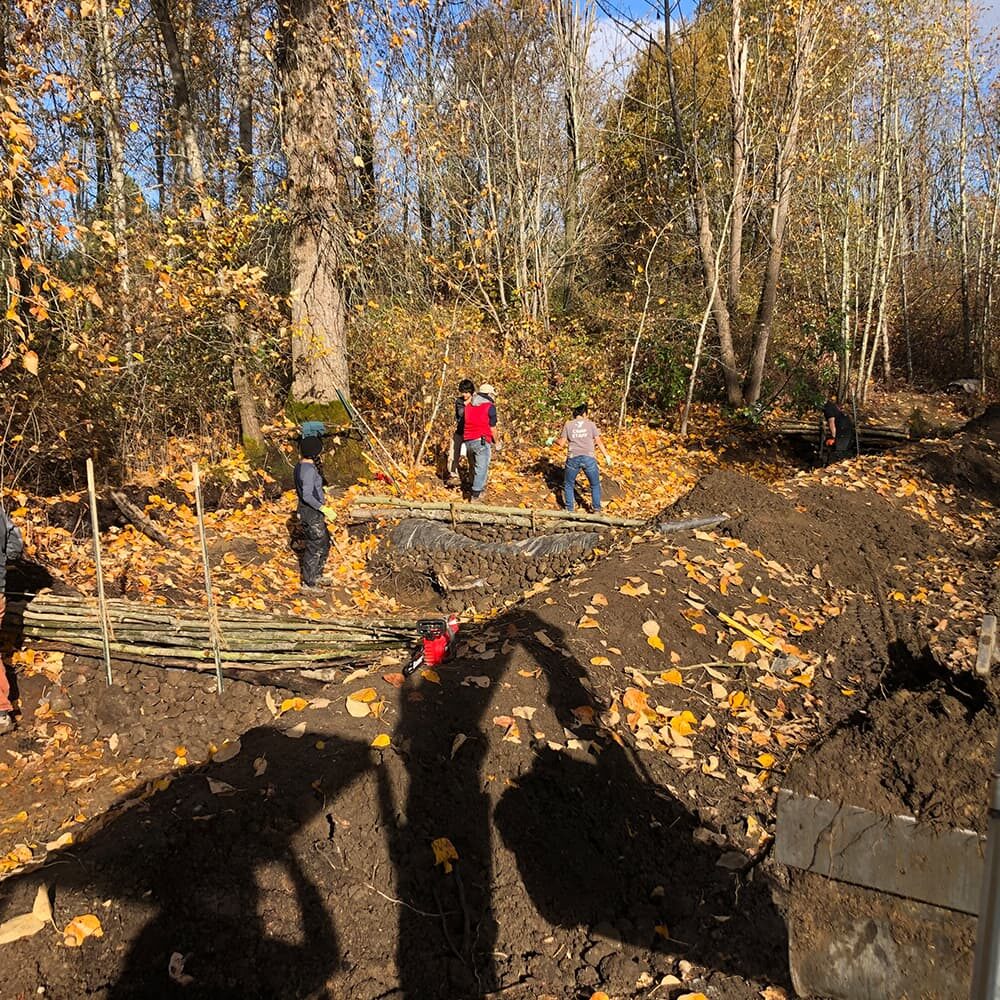
From grassroots community organizers to groups with nation-wide reach, meet the changemakers supported by Rose grants.
Funding Partners
The Puget Sound Stewardship and Mitigation Fund is supported by the citizen enforcement organizations Puget Soundkeeper and Waste Action Project. Any signage or publicly distributed materials related to a funded project must include the Rose Foundation and relevant partner organization’s logo.

Funding Board
-

Evlyn Andrade
Evlyn Andrade is a strategic, equity-driven leader with more than 20 years of experience advancing racial, environmental, and social justice across nonprofit, philanthropic, and public sectors. Grounded in lived experience as the daughter of immigrants and sibling to system-impacted brothers, her leadership is rooted in proximity, collaboration, and long-term movement building.
She currently serves as a Senior Program Officer at Magic Cabinet, where she partners with communities and nonprofits to strengthen trust-based philanthropy and advance equitable grantmaking. Evlyn also works as a Philanthropic Advisor and Nonprofit Consultant, helping organizations align strategy, culture, and resources around equity and community impact.
Her career bridges philanthropy, policy, and executive leadership, with a focus on directing resources and influence toward community-led solutions. She has led efforts within organizations to center environmental justice and racial equity, strengthening partnerships with grassroots communities, and has worked across local, regional, and national political campaigns to advance racial, economic, and climate justice.
A UC Berkeley graduate, Evlyn also serves on the boards of The Russell Family Foundation and UnCommon Law, where she helps steward equity-centered governance and grantmaking. Her work reflects a lifelong commitment to shifting power, resourcing frontline leadership, and building institutions that are accountable to the communities they serve.
In her free time, she enjoys traveling, hiking, snowboarding, meditating, and listening to audiobooks.
-

Willard Brown
Rose Foundation Board President
Willard Brown served as the Director of Housing and Environmental Programs at Delridge Neighborhoods Development Association (DNDA), where he worked for 6 years after retiring from Seattle Housing Authority (SHA), where he worked for just over 34 years. Willard was a key employee and for the last ten years at SHA, served as Property Management Administrator for Redevelopment. He has served on the Advisory Council for African American Elders and currently serves on the Board of the Equitable Development Initiative (EDI) as he continues to fight for investments in Delridge’s infrastructure. Though Willard is retired from the DNDA, he continues to support environmental projects within the Delridge community and Longfellow Creek watershed and has been championing the restoration and protection of the Delridge wetland and Roxhill Bog. He is working closely with community members, local governments, and organizations to gain their support for these projects, increase community awareness of the environmental importance of the wetlands within the watershed, and significantly reduce area flooding and stormwater pollution entering Longfellow Creek. Willard is also actively involved in updating the 2035 Delridge Neighborhood Plan, is a Emeritus member of the Board of Directors of the Seattle Green Spaces Coalition, and has worked closely with City Council members to gain support for community-based organizations being able to own surplus properties and re-purpose them for community benefit.
-

Pam Fujita-Yuhas
Program Officer, Andy Hill Cancer Research Endowment Fund
Pam Fujita-Yuhas serves as Senior Program Officer at CARE Fund, where she is responsible for planning, developing, and implementing CARE Fund grant programs and special projects as part of the CARE Fund’s strategy to advance cancer research and improve cancer care access. Prior to her work at CARE Fund, Pam served for over two decades as a Foundation Director for the NW Fund for the Environment where she co-managed the Foundations’s operations and grantmaking programs focused on community engagement, capacity building, native species protection and ecosystem management. A former volunteer coordinator of the Puget Sound Funders group, she also served on grant committees of the Social Justice Fund and the Seattle Foundation. An advocate for funder practices that center equity, communication and trust, she joined the Puget Sound Stewardship and Mitigation Fund Advisory Board in 2021 and became a member of the Rose Foundation Board of Directors in 2023.
-
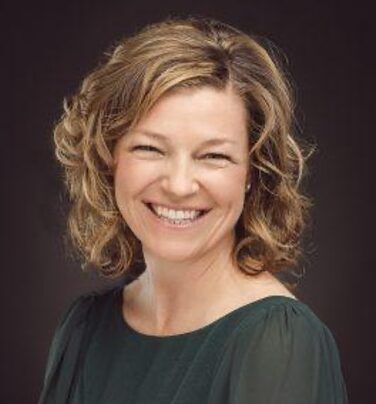
Cathy Lehman
Senior Program Officer, The Harder Foundation
Cathy is Senior Program Officer for The Harder Foundation, a private family foundation that supports biodiversity and healthy ecosystems in the Pacific Northwest. She has spent the last 20 years working in various roles of philanthropy, environmental policy, community and economic development, social impact and grassroots organizing, and has served on dozens of community boards and commissions – including Bellingham City Council, and a governor-appointed commission for the state’s volunteerism initiative, Serve Washington. Cathy has a BA in Communications from Western Washington University, a Masters in Social Entrepreneurship and Change from Pepperdine University, and a Certificate in Sustainable Business from Pinchot University at Presidio Graduate School. She lives in Bellingham with her husband David.
-
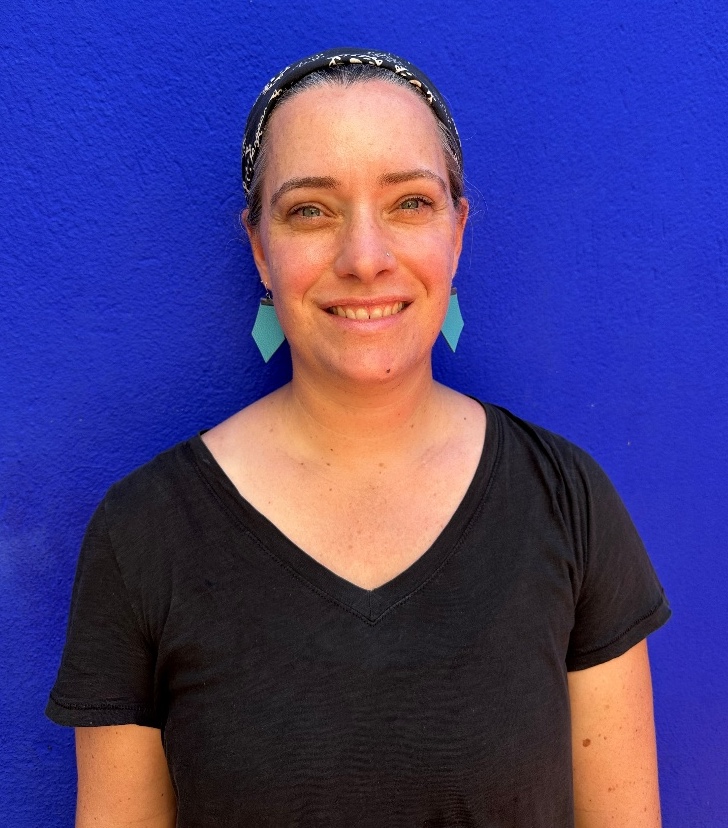
Danielle Devier
Senior Urban Ecology Analyst
Danielle Devier is an urban ecologist and landscape architect who works at the intersection of science, design, and community stewardship to restore healthy, resilient places. For nearly two decades in the Pacific Northwest, she has partnered with public agencies, nonprofits, and local communities to improve rivers, shorelines, and urban forests so both people and wildlife can thrive.
Danielle’s path into this work began with a lifelong love of the outdoors and a curiosity about how living systems function. She trained first as a scientist, earning degrees in biology and ecology and working as a research scientist at Columbia University’s Biosphere 2 Center, where she studied ecosystem processes and climate relationships. Wanting to translate science into tangible, on-the-ground solutions, she later earned a Master’s in Landscape Architecture and found her calling in applied restoration and climate resilience.
Today, Danielle serves as a Senior Urban Ecology Analyst with the Green Seattle Partnership, where she supports shoreline and river restoration, urban forest stewardship, and data-driven planning that helps communities make informed, lasting environmental investments. Her work includes blue carbon studies, salmon habitat recovery, and collaborative projects that bring together technical expertise and local knowledge.
Raised in the mountains of Utah and now rooted in Seattle, Danielle is inspired by the belief that caring for land and water is also caring for each other. She brings creativity, curiosity, and a deep commitment to partnership to everything she does.
-
Zoe Rothchild
Independent Consultant
Zoe Rothchild is an independent consultant to non-profit organizations and foundations. She is also the current Grants Manager for Toxic-Free Future, a national environmental health organization dedicated to reigning in hazardous chemicals in consumer products. She is the former Co-Director of the Northwest Fund for the Environment where she led the Freshwater Aquatic Ecosystems program and co-designed and managed numerous initiatives. A strong believer in the power of philanthropy and nonprofits to bring about change in our communities, she has served on a variety of Boards and committees at organizations that include, the Vashon Maury Land Trust, Women’s Funding Alliance, and the Vashon Center for Dance. Zoe is a graduate of the University of Vermont and holds a B.S. in Environmental Studies, and a Certificate of Environmental Management from the University of Washington. When not working Zoe can be found with her husband walking their dog in the forests of Vashon Island or in her garden cursing the weeds.
Take the next step
Do you still have questions about this application process or need additional support from Rose Foundation staff? Here are some helpful resources.
Helpful Resources

Stay Connected
Change is happening! Receive updates on grantee successes, upcoming grants, and opportunities to make a difference. Join our community and be a vital part of the environmental justice movement.
We respect your privacy. Please refer to our Privacy Policy to learn how we handle your information.